Source Non Stick Cast Iron Casserole for Home, Camping, and Catering
Explore 30 listings for non stick cast iron casserole options suitable for various cooking needs. Compare specifications such as size, capacity, and coating types to find the right supplier for your business requirements; compare the available evidence and request quotations based on your requirements.
Key considerations
Products List



Comprehensive Sourcing Guide
Non Stick Cast Iron Casserole Sourcing Guide
Sourcing non-stick cast iron casserole cookware requires a careful balance between traditional material benefits and modern surface treatments. Buyers must distinguish between bare cast iron, which requires seasoning, and enameled or coated variants that offer immediate non-stick performance. The observed market data indicates a product range primarily focused on frying pans, skillets, and French ovens, with specific models like PC32 and PCA32Q representing common industry offerings. Understanding these distinctions is critical for aligning procurement with specific retail or foodservice needs.
The supply chain for these items is heavily concentrated in China, with manufacturers catering to major global retailers such as Walmart, Lidl, Aldi, and Daja. This suggests a mature supply ecosystem capable of handling high-volume OEM orders with customizable logos and packaging. However, the diversity in specifications, from 22cm to 33cm diameters and capacities ranging from 2L to 4.5L, necessitates precise technical verification. Buyers should approach sourcing with a clear understanding of the specific model numbers and size standards required for their target market.
Product Scope and Observed Listing Signals
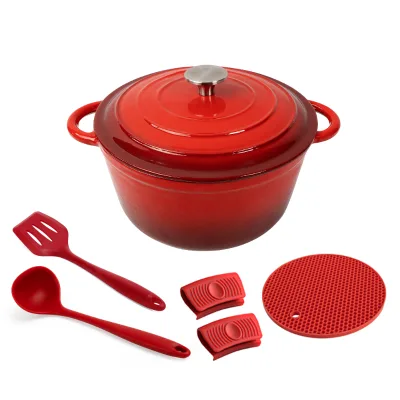
The current market listings reveal a strong emphasis on cast iron construction, with materials explicitly labeled as food-grade. The observed product scope includes both frying pans and French ovens, with models such as PCB28N, PCB29N, and PCB32N indicating a standardized naming convention for different sizes. The presence of enameled coatings suggests a focus on durability and ease of cleaning, while the "non-stick" feature highlights consumer demand for low-maintenance cooking surfaces. This combination of traditional cast iron with modern coatings defines the core value proposition for many buyers.
Listing signals also indicate significant customization potential, with OEM logo services and optional color choices widely available. The standard sizes observed, including 22cm, 24cm, 26cm, and 28cm diameters, align with common household and commercial kitchen requirements. Additionally, the availability of covers, both transparent and opaque, adds versatility to the product range. Buyers should note that while many items are listed as "without cover," specific models like the French Oven may include lids, requiring careful attention to individual product specifications during the selection process.
Technical Specifications to Verify
Verifying technical specifications is paramount when sourcing cast iron cookware, particularly regarding size and capacity consistency. The observed standards include diameters of 22cm, 24cm, 26cm, 28cm, and 30cm, with corresponding capacities of 2L, 2.5L, and 4.5L. Buyers must confirm that the physical dimensions match the listed standards, as variations can impact compatibility with stovetops and storage solutions. The model numbers, such as PCA30 and PCA25K, serve as critical identifiers for ensuring the correct product is ordered, especially when dealing with multiple SKUs.
The coating process is another critical technical aspect, with enameled finishes being a common feature. Buyers should verify the quality and durability of the enamel or non-stick coating, as this directly affects the product's lifespan and performance. The presence of handles and the option for transparent covers are also key specifications to confirm. Additionally, the material's food-grade status must be validated to ensure safety and compliance with health regulations. Detailed technical sheets from suppliers should be reviewed to confirm these attributes before placing large orders.
Compliance and Safety Documentation
Compliance with international safety standards is non-negotiable for cast iron cookware entering global markets. The observed certifications include FDA, LFGB, CE/EU, ISO, CB, SGS, CIQ, and EEC, indicating a broad range of regulatory adherence. Buyers must request valid certificates for each product model to ensure they meet the specific requirements of their target regions. LFGB and FDA certifications are particularly important for food contact materials, ensuring that the enamel and any coatings do not leach harmful substances.
The presence of CE/EU certification is crucial for products destined for the European market, while FDA approval is essential for the United States. Buyers should verify that the certificates are current and issued by recognized testing bodies. Additionally, the ISO certification suggests a commitment to quality management systems, which can be an indicator of consistent production standards. It is advisable to cross-reference these certifications with the supplier's documentation to ensure authenticity and coverage for the specific products being sourced.
Cost Drivers and Commercial Terms
Cost drivers for non-stick cast iron casserole cookware include material quality, coating complexity, and order volume. The observed price range of $1.95 to $49.90 USD reflects significant variation based on size, features, and customization levels. Higher prices are typically associated with larger diameters, additional features like transparent covers, and complex enameled finishes. Buyers should analyze the cost structure to understand the value proposition of each model, ensuring that the price aligns with the expected quality and performance.
Commercial terms such as MOQ and lead time are also critical factors in procurement planning. The observed MOQ range of 100 to 3000 units allows for flexibility, but buyers must consider their inventory capacity and sales forecasts. Lead times of 30 to 45 days, or specifically 30 days for some items, require careful scheduling to avoid stockouts. Packaging in cartons is standard, but buyers should confirm if custom packaging is available and how it impacts the overall cost. Understanding these commercial terms helps in negotiating favorable deals and managing cash flow effectively.
Supplier Qualification and Quality Control
Supplier qualification involves assessing the manufacturer's capability to produce consistent, high-quality cast iron cookware. Buyers should verify the supplier's experience with OEM orders and their ability to handle customization requests, such as logo printing and color options. The fact that suppliers serve major retailers like Walmart and Lidl suggests a level of reliability and quality control. However, buyers should conduct their own due diligence, including factory audits and sample evaluations, to ensure the supplier meets their specific standards.
Quality control processes should be clearly defined and agreed upon before production begins. This includes inspections for coating defects, dimensional accuracy, and overall finish quality. Buyers should request pre-shipment inspections to catch any issues before the goods are dispatched. Additionally, establishing a clear communication channel for addressing defects or discrepancies is essential. A robust quality control plan helps mitigate risks and ensures that the final products meet the buyer's expectations and regulatory requirements.
Long-Term Procurement Checks
Long-term procurement success depends on continuous monitoring of supplier performance and market trends. Buyers should regularly review supplier delivery times, product quality, and responsiveness to issues. Establishing key performance indicators (KPIs) for these metrics can help in evaluating supplier reliability over time. Additionally, staying informed about changes in material costs, regulatory requirements, and consumer preferences is crucial for maintaining a competitive edge.
Building a strong relationship with suppliers can lead to better pricing, priority production, and access to new product developments. Regular communication and feedback loops help in aligning expectations and addressing any concerns promptly. Buyers should also consider diversifying their supplier base to mitigate risks associated with single-source dependencies. By maintaining a proactive approach to supplier management, buyers can ensure a stable and efficient supply chain for their non-stick cast iron casserole cookware needs.
FAQs
What certifications do the non stick cast iron casserole products hold?
The products hold FDA, LFGB, CE/EU, ISO, CB, and SGS certifications. These ensure safety and compliance for international markets. Buyers can verify these standards before placing orders to meet specific regional regulatory requirements for cookware materials.
Which sizes are available for the non stick cast iron casserole?
Available sizes range from 22cm to 33cm in diameter. Specific models include 22cm, 24cm, 26cm, 28cm, 30cm, and 32cm options. This variety allows buyers to select the perfect capacity for different cooking needs and household sizes.
Can I customize the logo on the non stick cast iron casserole?
Yes, logo customization is available for this product line. Buyers can request OEM branding to match their specific business identity. This service supports private label strategies for retailers and distributors looking to enhance their brand presence.
What is the lead time for ordering non stick cast iron casserole?
The standard lead time ranges from 30 to 45 days. Some specific orders may require 30 days for delivery. Buyers should plan their inventory accordingly to ensure timely stock replenishment and avoid potential supply chain delays.
How much is the minimum order quantity for non stick cast iron casserole?
The minimum order quantity ranges from 100 to 3000 units depending on the specific model. This flexibility accommodates both small startups and large retailers. Buyers should confirm the exact MOQ with the supplier based on their selected product specifications.
What coating is used on the non stick cast iron casserole?
The products feature an enameled coating for durability and non-stick performance. This process ensures the cookware is safe for food contact and easy to clean. The enamel finish also adds aesthetic appeal while protecting the cast iron base.
Which clients currently purchase these non stick cast iron casserole products?
Major retailers like Walmart, Lidl, Aldi, and Daja are known clients. These partnerships indicate high quality and reliability in the supply chain. Buyers can trust that the products meet the rigorous standards required by large-scale international retail chains.